B2B marketers love to talk about targeting. We build ICPs, refine job titles, filter by industry, and layer on seniority. And that’s important because without professional targeting, your campaigns risk wasting money on the wrong audience.
But here’s the mistake most marketers make: stopping there.
Because the truth is, your buyers don’t respond to ads only as “VP of Finance” or “Head of Marketing.” When they’re on LinkedIn or in their inbox, they’re human beings first, people with interests, habits, and desires shaped by their lives outside of work.
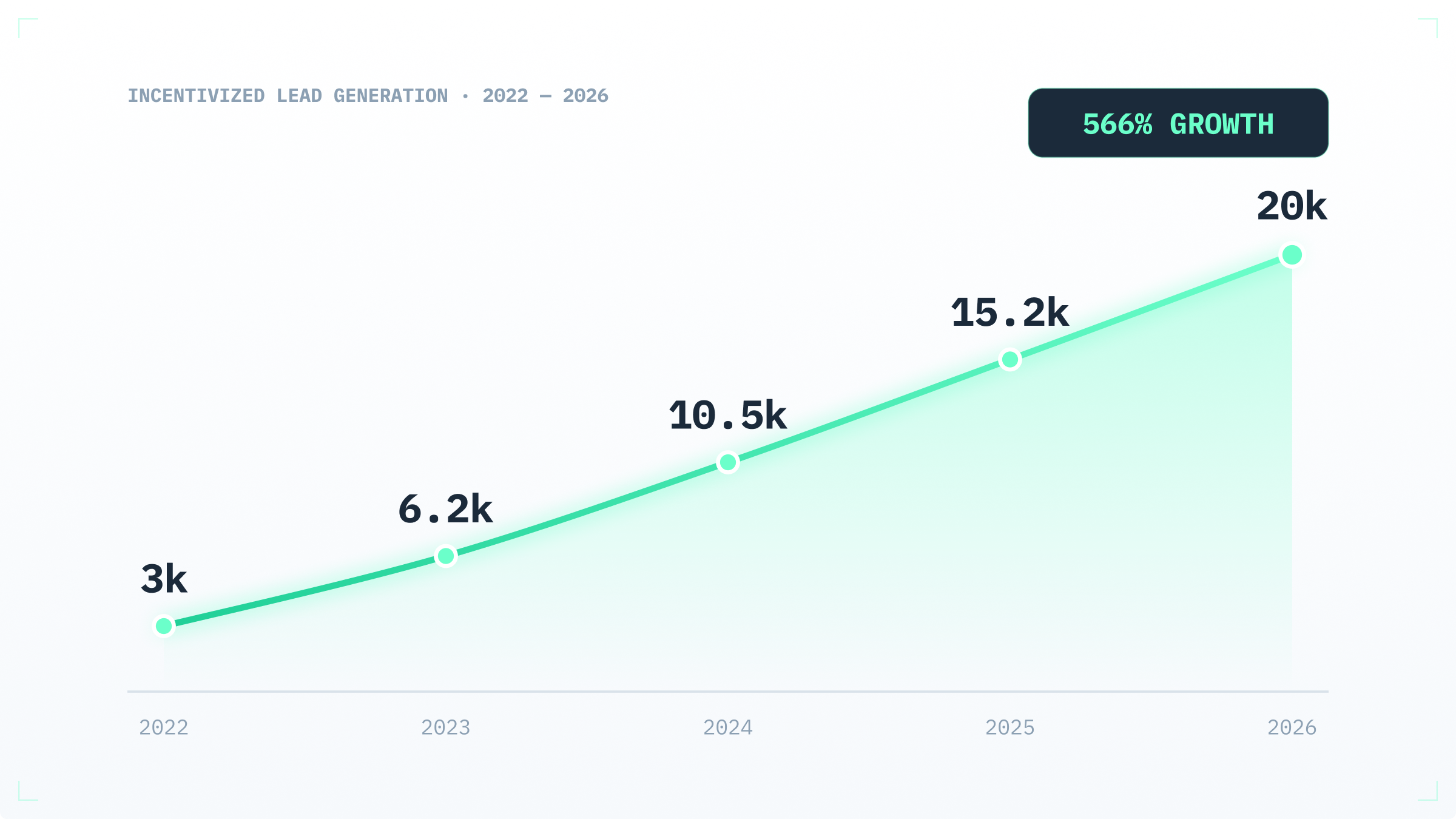
If you want incentivized lead generation campaigns to deliver real results — especially on LinkedIn — you need to target prospects as professionals but appeal to them as consumers.
Professional Targeting Gets You in the Right Room
Professional targeting is your entry ticket. You need to reach the right people in the right roles, otherwise no incentive in the world will create pipeline.
LinkedIn makes this relatively easy. You can narrow by:
Industry (SaaS, fintech, healthcare, etc.)
Job function (finance, IT, marketing, HR)
Seniority (director, VP, C-level)
This ensures you’re not offering a $100 gift card to an intern who has no buying authority. Your spend goes toward prospects who can actually take a meeting and influence a deal.
Consumer Appeal Makes Them Pay Attention
Once you’ve zeroed in on the right professionals, the real magic happens when you start thinking like a consumer marketer.
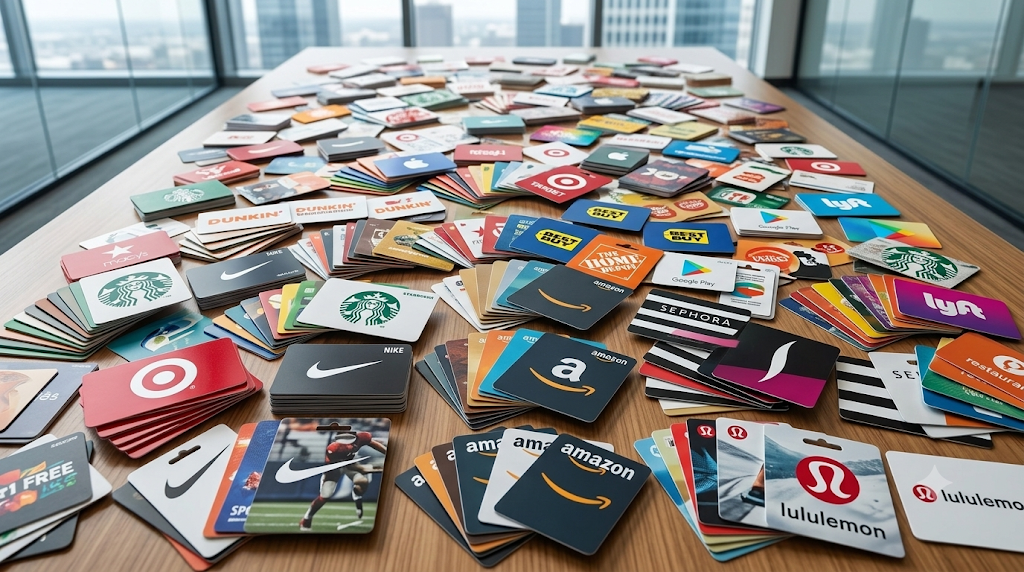
That’s why the incentive you offer matters so much. A generic Visa gift card might get a few bites. But if you tailor the reward to their consumer preferences, your chances of engagement skyrocket.
A woman in her 30s might light up at a Lululemon gift card.
A mid-career finance leader could be drawn to a premium Nespresso machine.
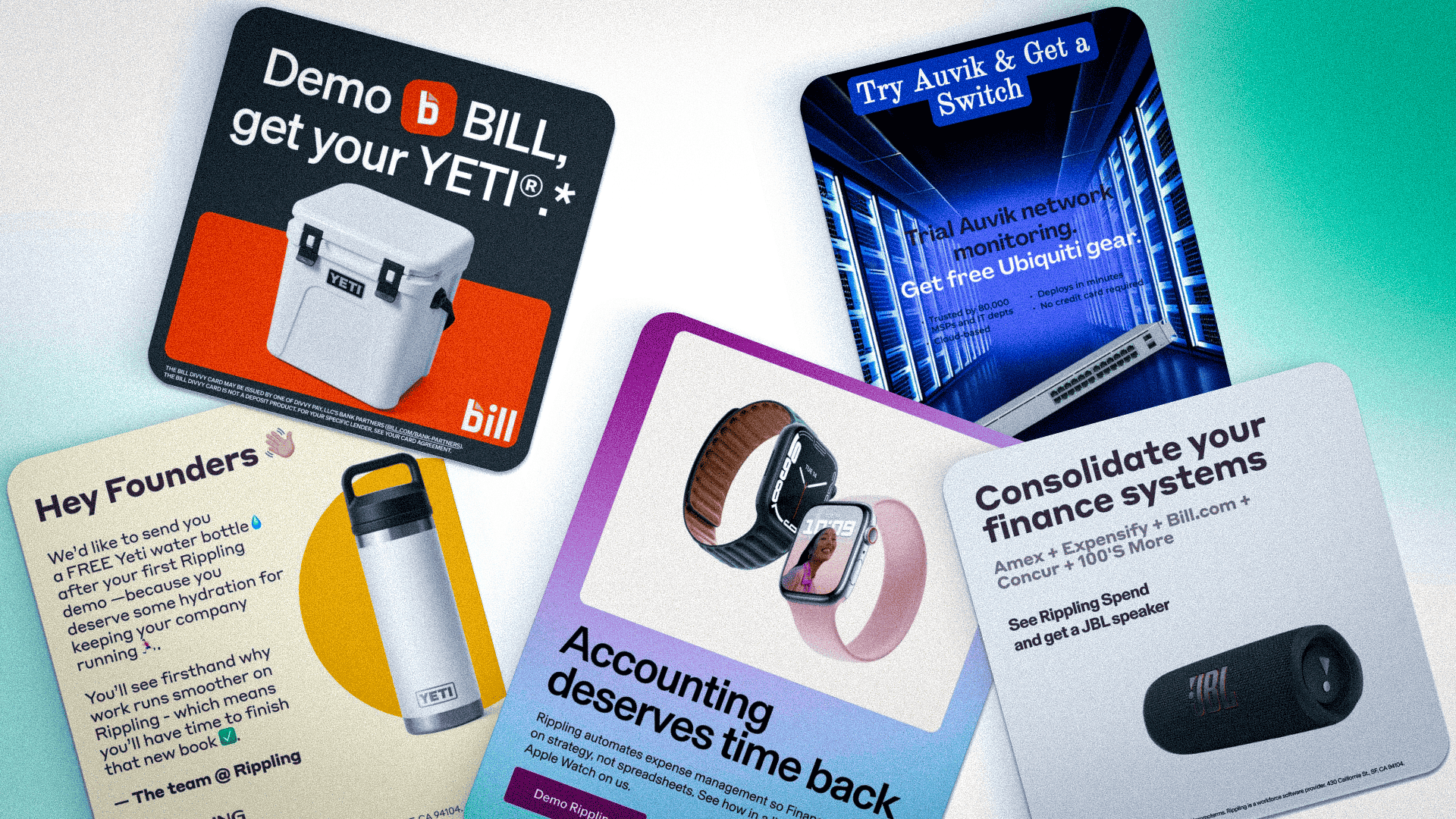
A younger engineer might go for a JBL speaker or Yeti cooler.
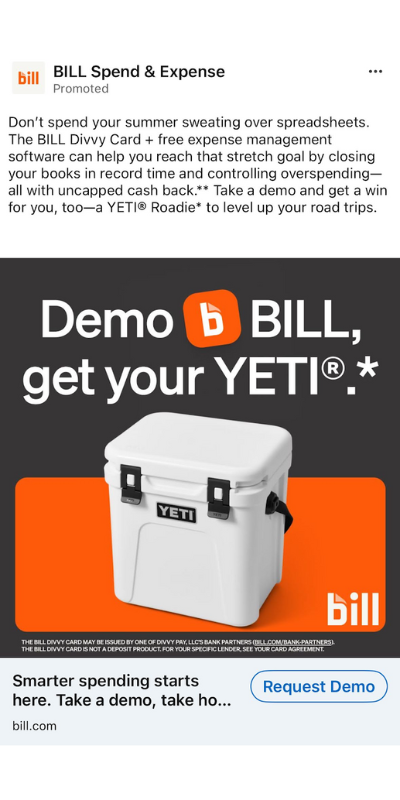
The professional targeting gets you in front of them. The consumer-style incentive gets them to stop, click, and book.
Why This Works: Tapping the Crocodile Brain
Most B2B ads are written for the rational brain: “Cut costs by 10%,” “Boost efficiency,” “Automate workflows.”
But rational benefits don’t spark immediate action. Neuroscientists talk about the “crocodile brain” — the fast, instinctive part of the mind that reacts to reward and desire. That’s the part consumer brands tap into with every ad you see.
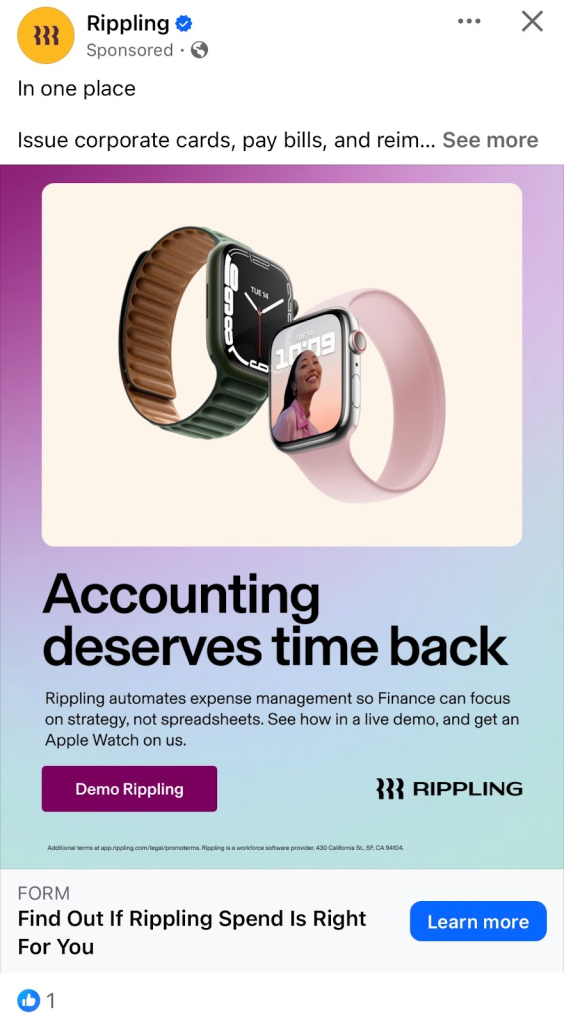
By aligning incentives with lifestyle preferences, you’re speaking to that instinct. You’re creating a quick, emotional reason to engage. Once you have their attention, then you can deliver your product story.
Segment Like a Pro: Two Layers of Targeting
The smartest incentivized campaigns don’t stop at job title. They add another layer: demographic segmentation.
Consumer layer → What they want as people (age, gender, location, lifestyle).
Professional layer → Who can buy (industry, job, seniority).
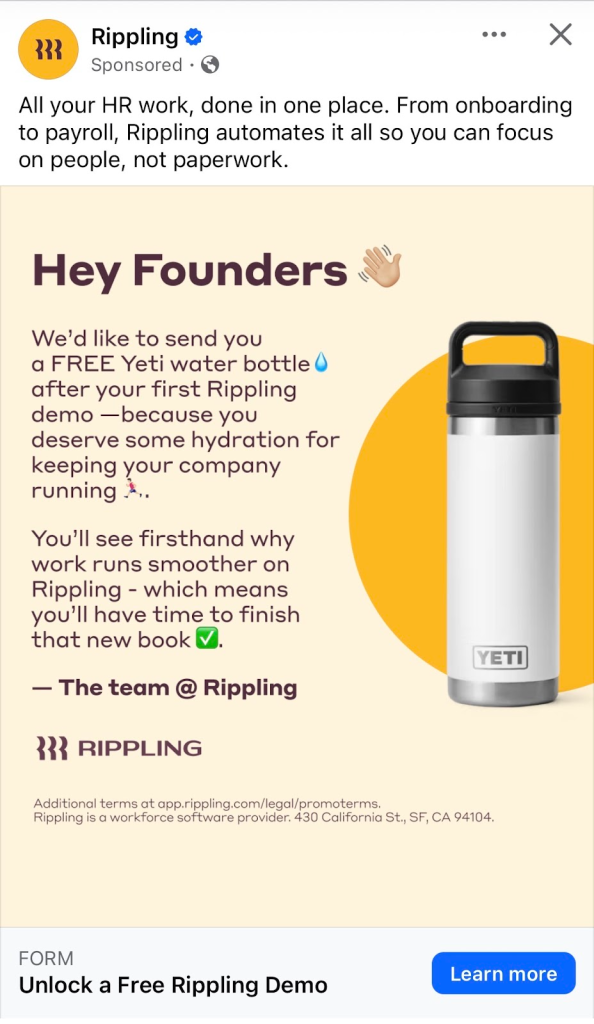
This is why offering a variety of incentives is so effective. If your campaign is aimed at “accountants,” you’ll have 25-year-olds starting their careers, mid-career parents in their 30s, and 50-year-old executives. Their consumer preferences differ — and your incentive mix should reflect that.
Making LinkedIn Ads Stand Out
Even with the right incentive, your creative matters. If your ad sounds like every other B2B pitch, your reward won’t land.
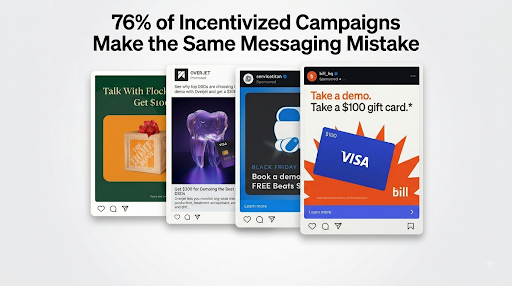
Compare these two LinkedIn ads:
“Schedule a demo to see how we reduce cloud costs by 10%.”
“Book a 30-minute demo and get a Yeti cooler just in time for your next trip.”
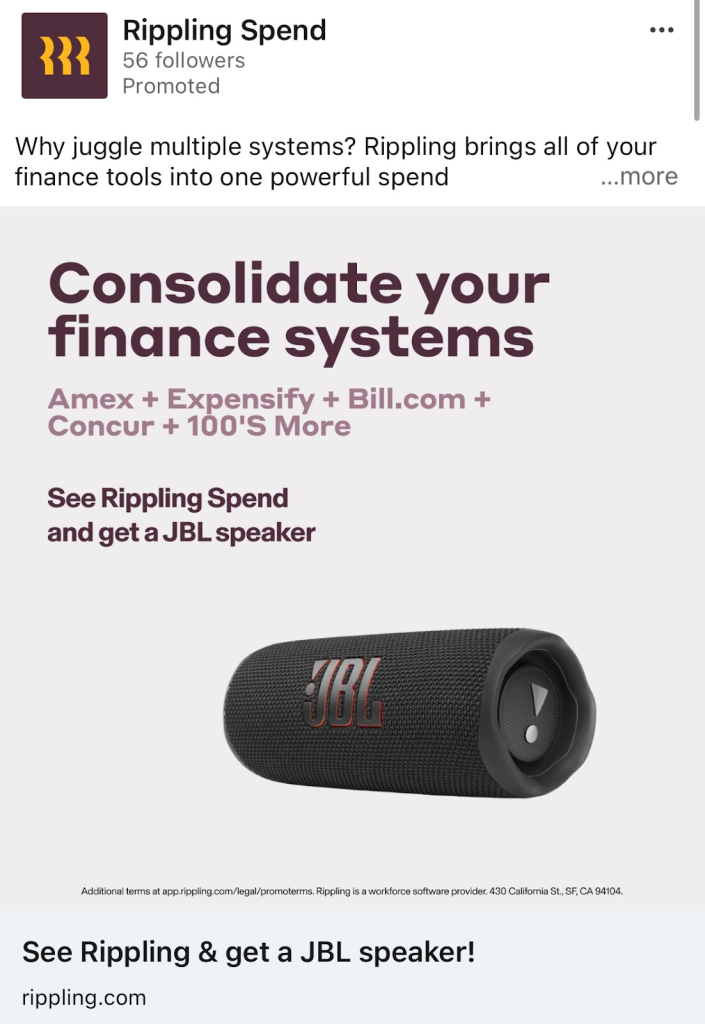
Both target the same professionals. But only one feels human, relevant, and worth clicking.
Guardrails: Keep It Smart
Of course, incentives should never be handed out to just anyone who clicks an ad. Smart campaigns always include qualification gates.
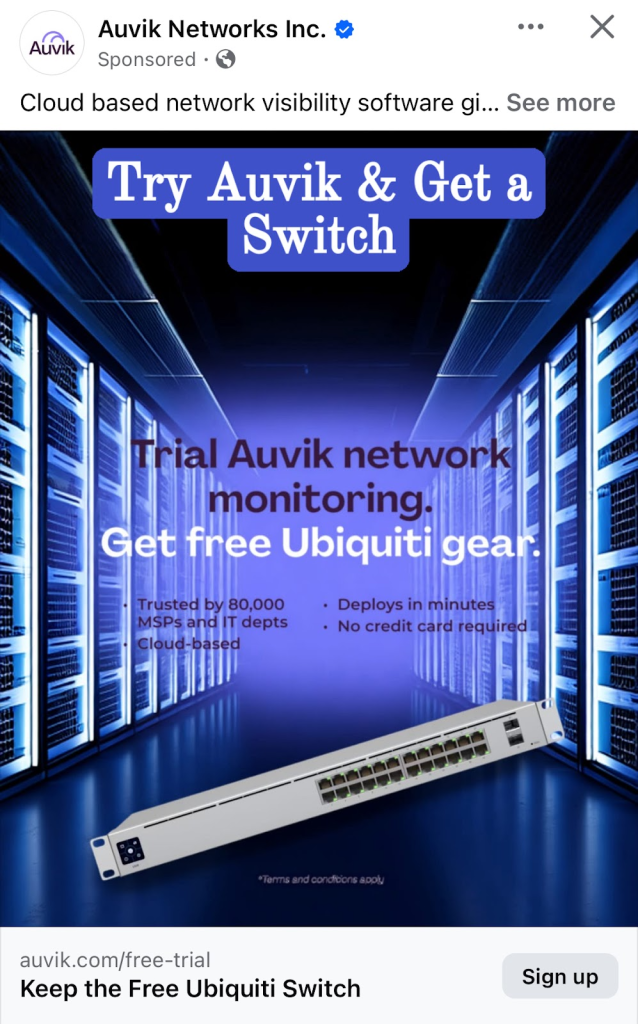
This way, your budget goes to the right people and your sales team spends time with genuine opportunities.
The Takeaway
If you want your incentivized lead generation campaigns to work — and deliver a strong return on your LinkedIn ad spend — you need to think differently:
Target prospects as professionals. Define them by job function, industry, and seniority.
Appeal to them as consumers. Align incentives with demographic and lifestyle preferences.
This two-layer strategy is how you cut through the noise, grab attention in the LinkedIn feed, and fill your pipeline with qualified, motivated leads.
At SweepLift, this is exactly how we build campaigns. We combine professional targeting with consumer-driven incentives to help B2B marketers capture attention, spark action, and drive pipeline.