The Real Issue Isn’t Incentives, It’s How B2B Ads Compete for Attention
Spend five minutes scrolling LinkedIn and a clear pattern emerges. Most B2B ads rely on:
Product UI screenshots filled with unfamiliar dashboards
Abstract promises about efficiency, automation, or ROI
Calls to action that ask for time without offering anything tangible in return
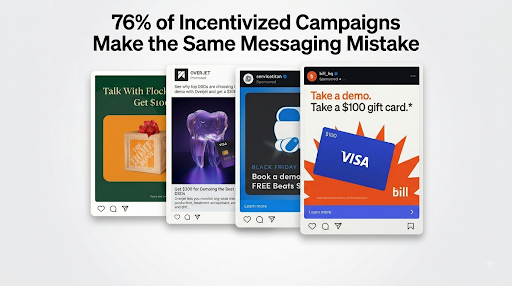
From a buyer’s perspective, this content blends together. There’s no emotional hook, no immediate value, and no reason to pause. Over time, buyers train themselves to ignore it.
This isn’t because they don’t care about their problems. It’s because the ads don’t acknowledge how overloaded they already are. Incentivized lead generation works because it interrupts that pattern.
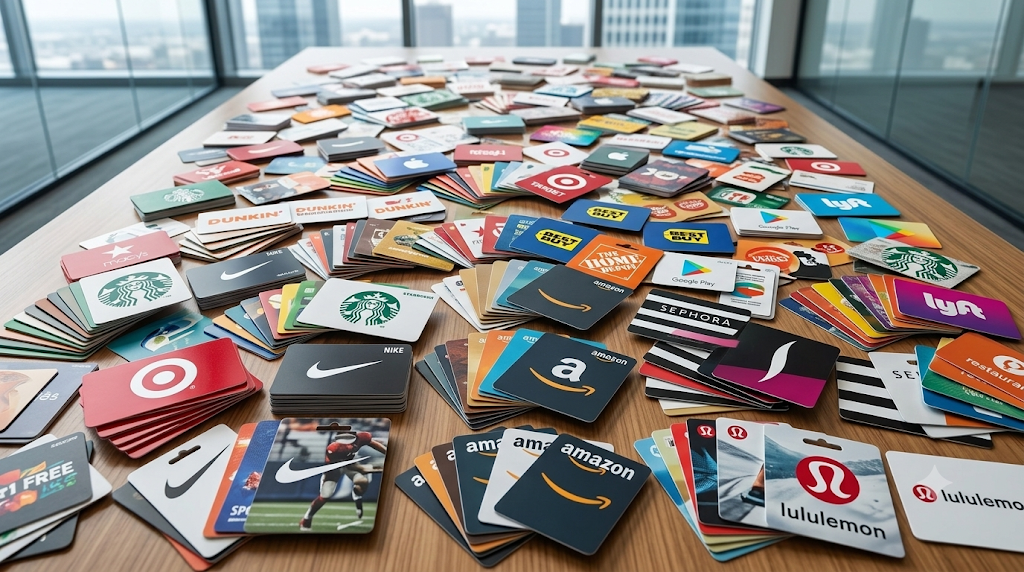
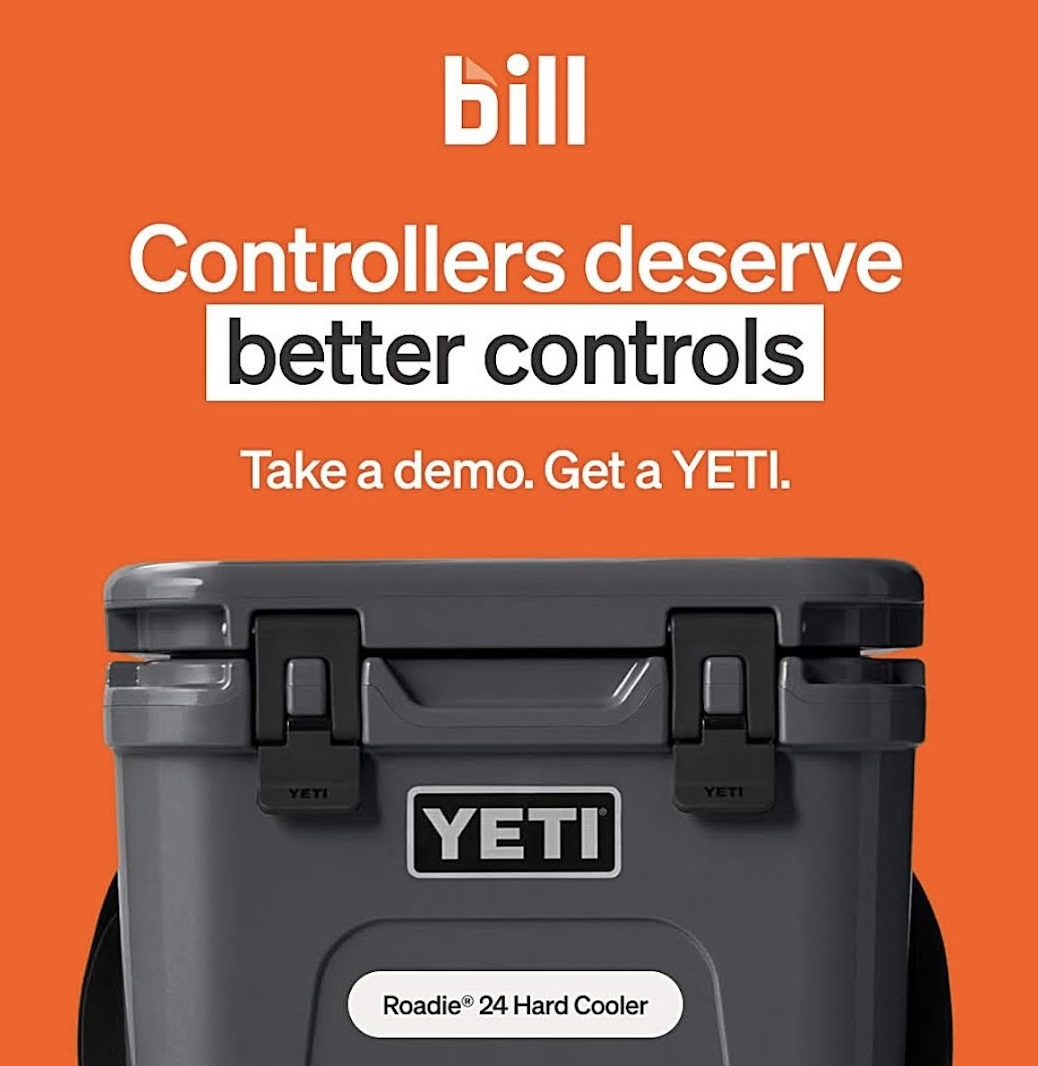
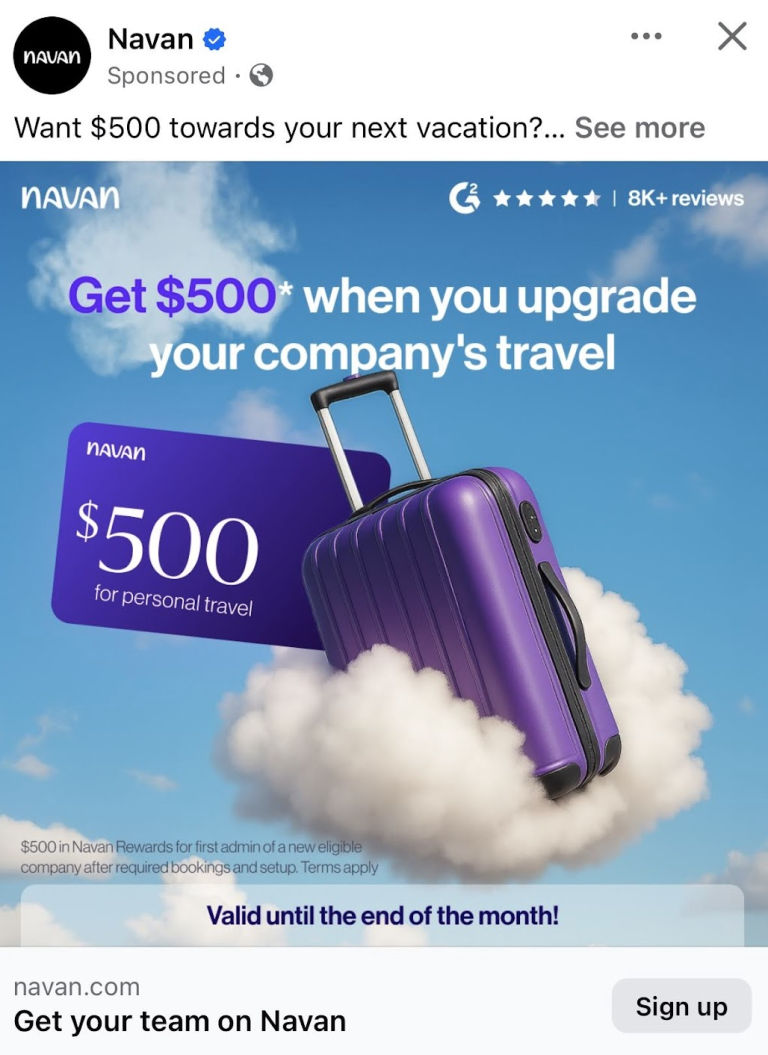
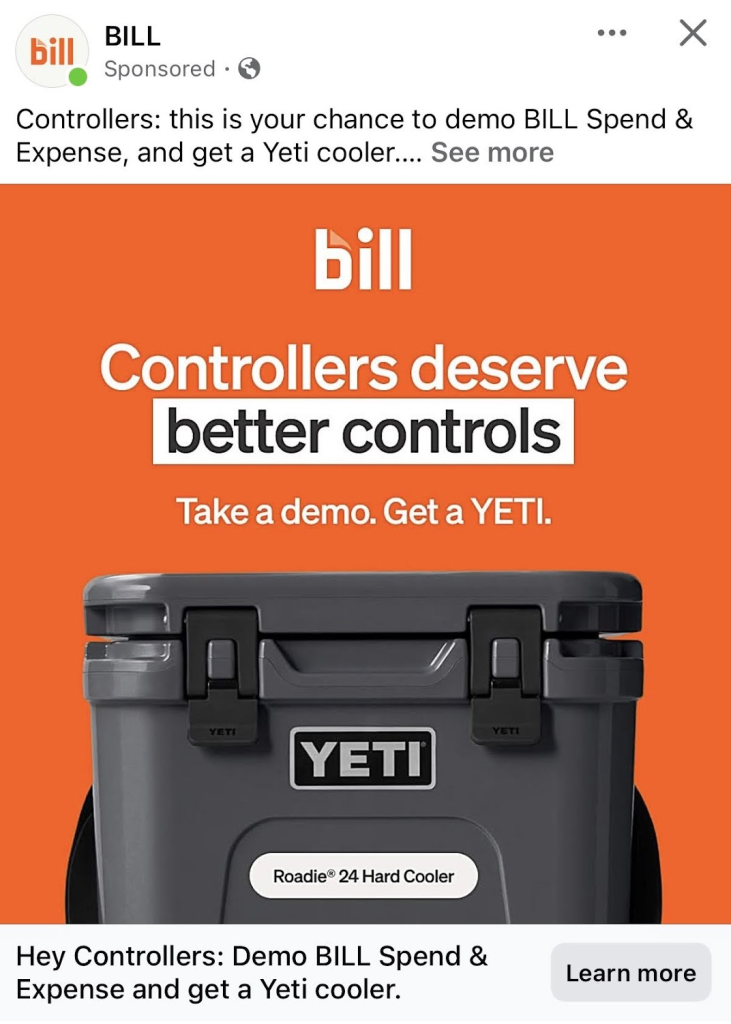
When a recognizable consumer brand appears in the feed, a YETI cooler, an Amazon gift card, an Apple Watch — the value is instantly understood. No explanation required. The brain registers it immediately. That momentary pause is the most valuable asset in modern B2B marketing. Smart brands are willing to pay for it but only when they know what comes next will be worth it.
The Real Issue Isn’t Incentives, It’s How B2B Ads Compete for Attention
Spend five minutes scrolling LinkedIn and a clear pattern emerges. Most B2B ads rely on:
Product UI screenshots filled with unfamiliar dashboards
Abstract promises about efficiency, automation, or ROI
Calls to action that ask for time without offering anything tangible in return
From a buyer’s perspective, this content blends together. There’s no emotional hook, no immediate value, and no reason to pause. Over time, buyers train themselves to ignore it.
This isn’t because they don’t care about their problems. It’s because the ads don’t acknowledge how overloaded they already are. Incentivized lead generation works because it interrupts that pattern.
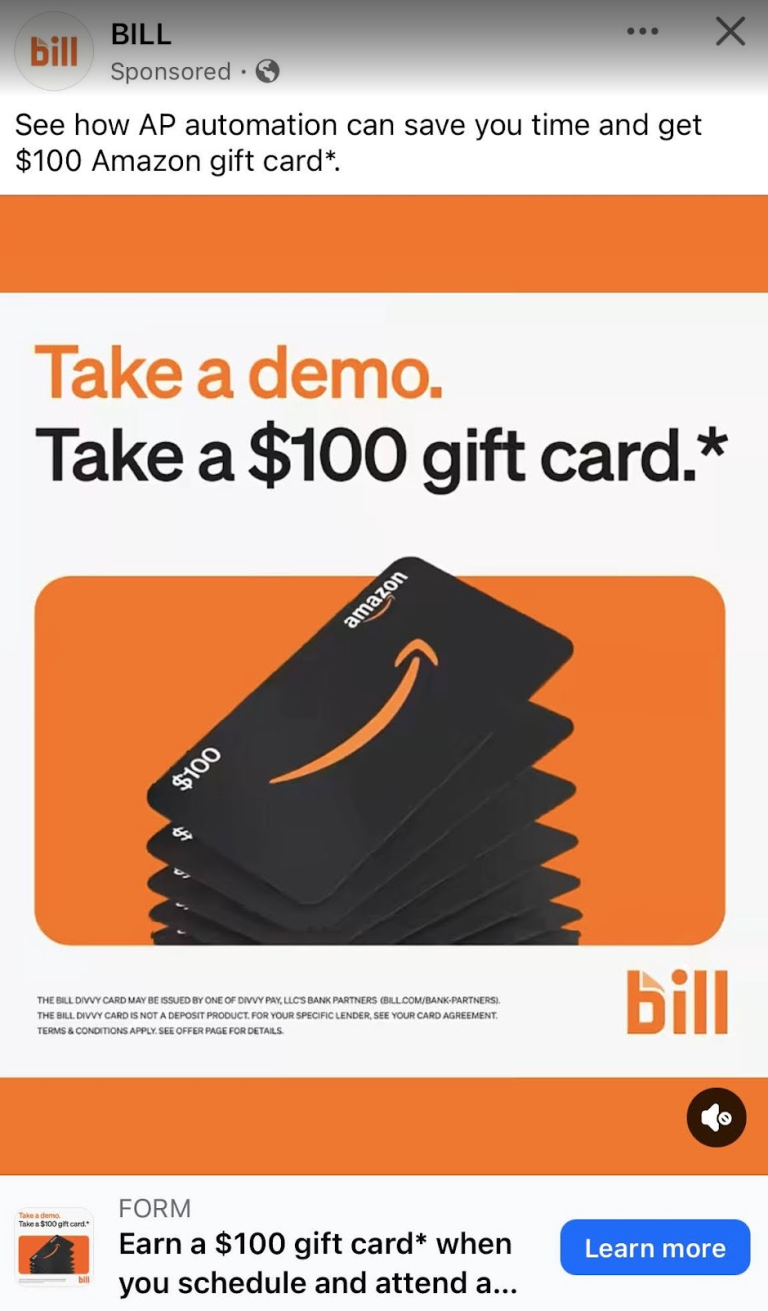
When a recognizable consumer brand appears in the feed, a YETI cooler, an Amazon gift card, an Apple Watch, the value is instantly understood. No explanation required. The brain registers it immediately. That momentary pause is the most valuable asset in modern B2B marketing. Smart brands are willing to pay for it but only when they know what comes next will be worth it.
Target as a Professional. Appeal as a Consumer
This is where many critics misunderstand the strategy. Incentivized lead generation is not about widening the funnel or attracting “anyone who clicks.” In fact, it relies on the opposite: tight professional targeting.
Platforms like LinkedIn allow marketers to target with precision:
Industry and company size
Department and function
Seniority and job title
By the time an incentive is shown, the audience has already been filtered down to people who could realistically buy. At that point, the strategy shifts. The incentive isn’t meant to qualify interest. It’s meant to earn attention. And attention is driven far more by consumer psychology than professional logic. Smart brands understand this and design campaigns accordingly:
Professional targeting ensures relevance
Consumer-style creative earns engagement
That combination is why these ads stand out so starkly compared to traditional B2B creative.
Why Incentives Don’t Attract Low-Quality Leads (When Done Right)
Most negative experiences with incentivized lead generation stem from missing structure, not from the incentive itself. In my experience, incentives fail when:
Rewards are handed out without qualification
Meetings are booked before fit is established
The meeting itself feels like a generic sales pitch
When those conditions exist, the incentive does attract the wrong behavior. High-performing teams avoid this by putting clear guardrails in place. A well-designed incentivized campaign typically includes:
Closed-ended qualification questions before scheduling
Clear rules that rewards are delivered only after a qualified, completed meeting
A meeting positioned as educational and practical, not transactional
When done this way, incentives don’t attract people chasing free stuff. They attract people who believe the meeting will be a good use of their time.
The Landing Page Is Where Most Campaigns Win or Lose
The ad gets the click. The landing page determines whether the click turns into a committed meeting. Strong incentivized campaigns treat the meeting like a short workshop or webinar. The objective isn’t speed, it’s confidence. High-performing landing pages clearly explain:
What the prospect will learn in the meeting
Why that learning matters for their role
How the incentive works and when it’s delivered
Many effective flows start with a simple, human question: Which reward would you choose? This reinforces the value exchange before moving into more serious qualification. From there, prospects answer a small number of closed-ended questions about role, company size, and priorities. Only then are they invited to book time. By the time the calendar appears, the prospect isn’t just interested, they’re invested.
Why the Meeting Experience Protects (Not Cheapens) the Brand
Here’s the part that’s often overlooked: the incentive doesn’t define the brand. The meeting does. If the meeting is rushed, generic, or overly salesy, the incentive feels like a bribe. If the meeting delivers real insight, the incentive feels like a courtesy.
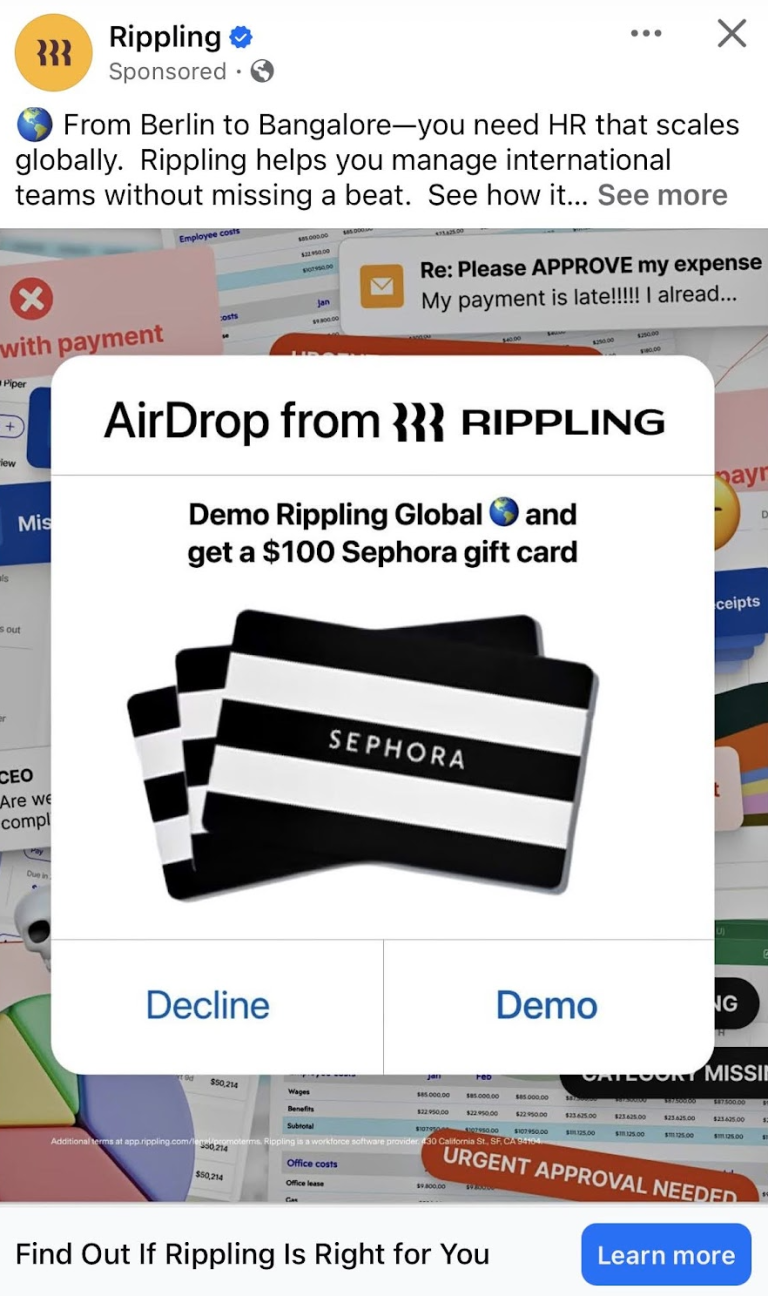
This distinction is why companies like Rippling and BILL can run incentive-based demos at scale without damaging brand perception. They treat the meeting as a value delivery mechanism, not a conversion trap. People walk away thinking, I learned something useful, even if I don’t buy. That reaction builds trust, not resentment.
How the Best Teams Extend This Advantage Into Sales
Top-performing teams don’t stop at booking the meeting. They use the data collected during qualification to dramatically improve the quality of the conversation. Before the meeting happens, sales teams receive:
The prospect’s role, company, and context
Their qualification answers
Their stated challenges and priorities
That information is often enriched and summarized so the rep can personalize the conversation immediately. Instead of starting with a generic pitch, the meeting begins with relevance. The prospect feels understood. The conversation feels bespoke.
This is how incentivized lead generation feeds not just the top of the funnel, but downstream conversion as well.
What Smart Teams Actually Measure
Teams that run incentivized lead generation well don’t obsess over clicks or form fills. They look at metrics that reflect real business impact. The most important signals include:
Demo show rate
Cost per held meeting
Opportunity creation rate
Pipeline generated per dollar spent
When incentives are paired with proper targeting, qualification, and education, these numbers tend to improve across the board.
Bottom Line
Incentivized lead generation isn’t a shortcut. It’s a system. Billion-dollar B2B brands use incentives not to buy attention, but to respect it. They acknowledge that time is valuable, deliver real value in the meeting, and say thank you in a way people understand.
The marketers who dismiss incentives outright aren’t protecting their brand. They’re protecting outdated assumptions. The marketers who learn how to do this well don’t argue about incentives. They build pipeline.
Want to Implement This Strategy for Your Brand?
If this resonates but you’re wondering how to execute it without attracting the wrong leads, that’s where most teams get stuck. This strategy only works when every piece is designed together, targeting, creative, qualification, and the meeting itself. Miss one step, and the results fall apart. That’s what we do at SweepLift.
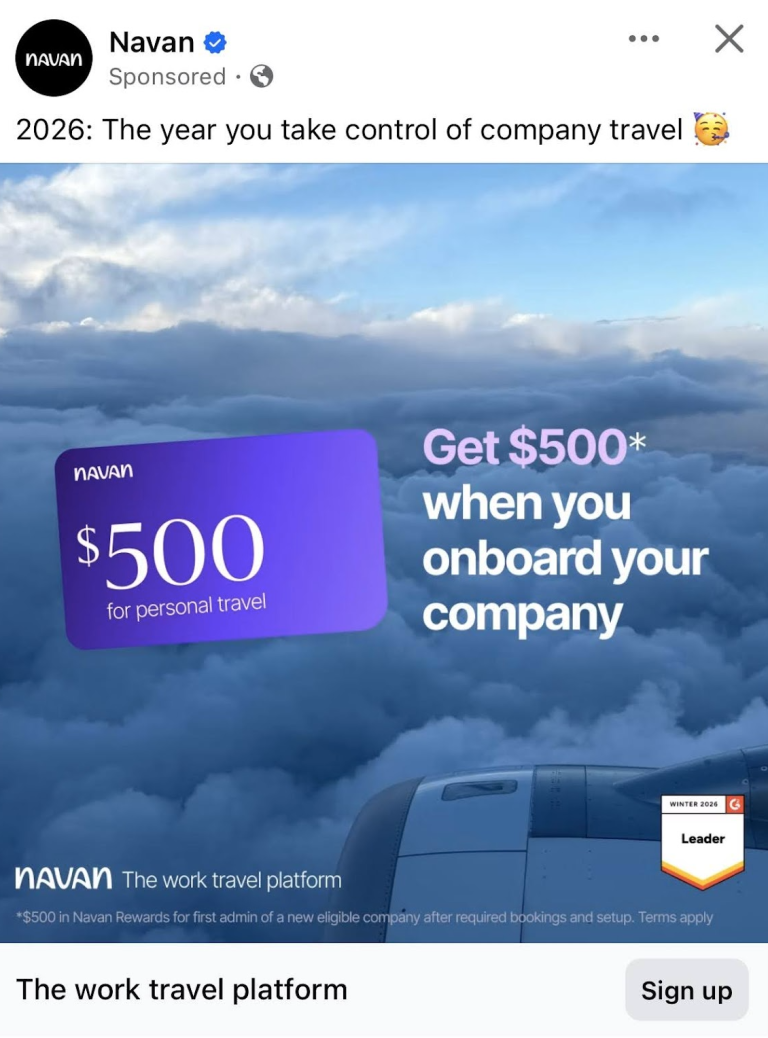
We help B2B teams design and run smart incentivized lead generation campaigns like the ones you’ve seen from Rippling, BILL, and Navan, tailored to your ICP, your sales motion, and your brand. In a working session, we’ll help you:
Define the right audience and incentive mix
Design creative that earns attention and respect
Build qualification flows that protect lead quality
Turn booked demos into high-quality sales conversations
Meet with SweepLift to design your incentivized lead generation strategy.